

The Jimi Hendrix Experience was the ultimate power trio, channeling American blues through psychedelic experimentation. Their three-year burst of brilliance set the template for modern hard rock and genre-defying guitar heroism for generations.
The Genesis of a Power Trio
The Experience was born from an audacious gamble by former Animals bassist Chas Chandler. After seeing the American guitarist Jimi Hendrix (then “Jimmy James”) play in a small New York club, Chandler convinced him to move to London in 1966 with the promise of stardom. The lineup was quickly assembled, centered around the visionary front-man, Jimi Hendrix (Guitar, Lead Vocals, Songwriter). The rhythm section featured Noel Redding (Bass, Backing Vocals), a former guitarist who provided solid, foundational anchors, and Mitch Mitchell (Drums, Backing Vocals), a jazz-influenced drummer whose fluid, polyrhythmic style was the perfect counterpoint to Hendrix’s spontaneity. This trio format was pushed to its limits, demanding that Hendrix handle both lead and rhythm guitar duties simultaneously, maximizing his dynamic freedom.
Signature Sound & Style
The band’s sound was a radical fusion, rooted firmly in American electric blues—drawing from giants like Muddy Waters—but filtered through a lens of British psychedelic rock and free-form jazz. This synthesis created a scope that was unprecedented in rock music.
The Amplified Revolution
Unlike many contemporaries, The Experience made noise a virtue. Hendrix pushed his Marshall and Fender amplifiers past the point of distortion, incorporating feedback and controlled chaos into the melody. His pioneering use of effects pedals—especially the wah-wah pedal and Fuzz Face—expanded the guitar’s tonal vocabulary, effectively turning the instrument into a revolutionary sonic machine.
Collective Dynamic
The core of their style lay in the dynamic interplay between the members. Mitchell’s drumming was marked by explosive fills and rhythmic complexity, acting not as a simple timekeeper but as an active melodic partner. Redding’s bass lines provided an unwavering foundation, the eye of the storm, allowing Hendrix to take breathtaking harmonic and improvisational risks. Hendrix himself was masterful in blending the lead and rhythm roles, often incorporating sophisticated chord-melody work and double-stops into his solos while maintaining the song’s structural integrity.
Career Milestones
In a brief but dazzling career spanning just under three years, The Jimi Hendrix Experience released three albums that permanently altered the course of rock music. Their explosive 1967 debut, Are You Experienced, featured foundational rock anthems like “Purple Haze,” “Foxy Lady,” and the blues classic “Red House,” instantly establishing their dominance. The follow-up later that year, Axis: Bold as Love, showcased a deeper commitment to studio craft and songwriting maturity, including poetic classics like “Little Wing” and “Castles Made of Sand.” Finally, Electric Ladyland (1968), Hendrix’s sole double-album and true magnum opus, stands as a landmark of studio experimentation, featuring the epic 15-minute “Voodoo Chile” and the definitive cover of Bob Dylan’s “All Along the Watchtower.” The band’s legendary performance at the Monterey Pop Festival in 1967, culminating in Hendrix setting his guitar on fire, launched them to superstardom in the United States.
Legacy & Influence
The Jimi Hendrix Experience remains the ultimate reference point for the fusion of technical prowess and revolutionary sound. Their influence extends across every major genre of guitar-centric music. They invented the vocabulary for heavy guitar tone, directly inspiring bands like Led Zeppelin and Black Sabbath. Furthermore, Mitch Mitchell’s jazz-derived drumming helped bridge the gap between rock and jazz, impacting later fusion artists. Most importantly, Hendrix’s masterful command of dynamics, pitch-bending, sustain, and the whammy bar is now taught as the standard technique in modern electric guitar playing. Despite their break-up in 1969, the collective energy of The Jimi Hendrix Experience is eternal, proving that the electric guitar was capable of expressing the complex, tumultuous, and psychedelic spirit of their generation.
Essential Listening
To fully appreciate the collective genius of The Jimi Hendrix Experience, these recordings are key entry points into their dynamic range, from blues minimalism to studio psychedelia. The essential tracks below will get you started.
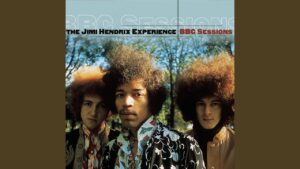
Manic Depression
Experience the raw energy of the trio's psychedelic blues-rock track in this unique live BBC session. This defining piece showcases their technical complexity.
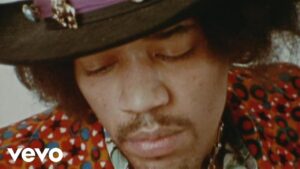
Love or Confusion
A swirling burst of psychedelic tension, “Love or Confusion” captures Hendrix’s early emotional volatility with fuzz‑drenched guitar lines that blur desire, doubt, and raw electric urgency.